For decades, diesel generators have been the go-to backup power solution for businesses across South Africa. They’ve been viewed as a necessary investment to keep operations running during power outages. However, as fuel costs rise, load shedding persists, and businesses focus more on sustainability and long-term cost savings, many companies are now asking a critical question:
Is diesel still the best backup option, or is solar plus battery storage the smarter investment?
In this article, we compare diesel generators and solar + storage systems in terms of cost, reliability, operational efficiency and long-term value.
Understanding the Two Power Solutions
A diesel generator provides electricity by burning fuel to power an engine. It typically switches on during outages and supplies power until the grid returns or fuel runs out.
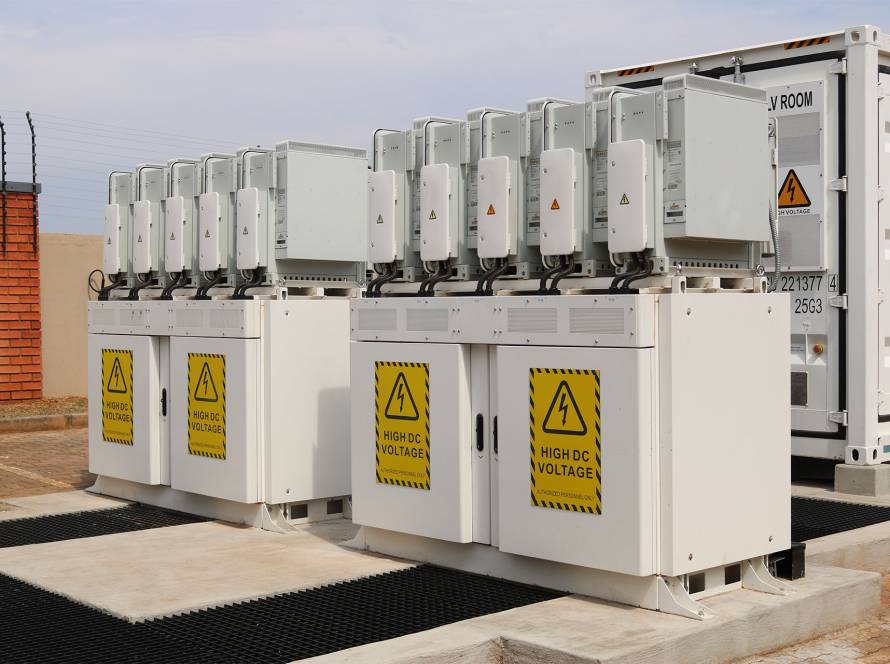
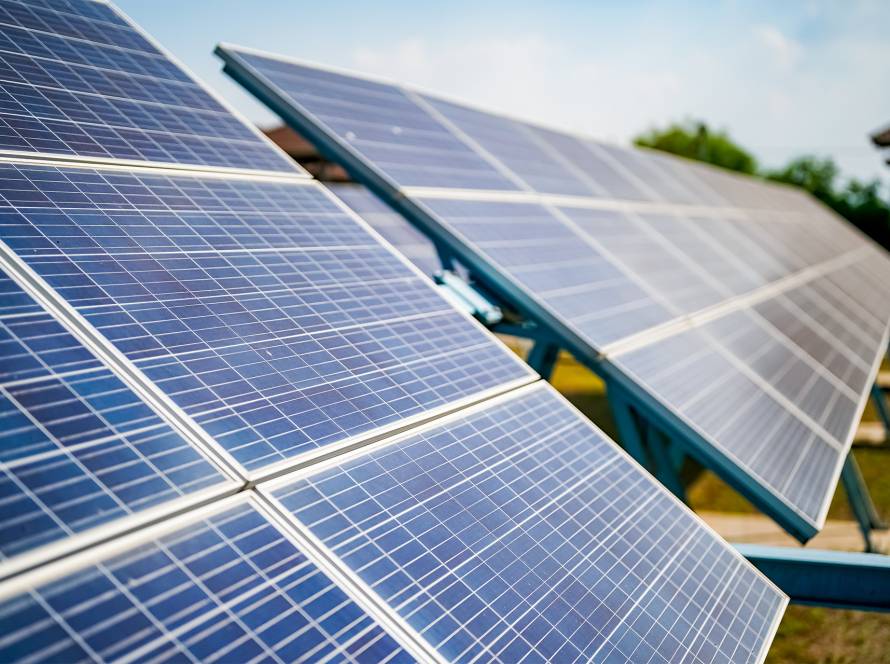
A solar + battery storage system generates electricity during the day through solar PV panels and stores excess energy in batteries. The stored energy can be used at night, during outages, or during high-tariff periods. Most systems can also integrate with the grid for added flexibility.
While both provide backup power, they operate very differently — and that difference has a major impact on running costs and performance.
Upfront Cost vs Long-Term Return
Diesel generators often look cheaper upfront. A generator can be installed quickly and may appear to be a “once-off” expense.
However, the long-term reality is that generators are not a once-off solution. Their total cost increases significantly over time due to:
- Rising diesel prices
- Regular servicing and part replacement
- Breakdown risks and repairs
- Fuel storage and transport requirements
Solar + battery systems usually require a higher initial investment, but they generate power for decades with low operating costs. Solar panels typically last 25 years or more, and battery systems can be scaled or upgraded as technology improves.
For many businesses, solar plus storage becomes the better financial decision over time because it reduces monthly electricity spend — not just during outages.
Reliability During Load Shedding and Extended Outages
Generators are often effective for short outages, but they rely entirely on fuel availability and mechanical performance. During prolonged load shedding cycles, businesses may face problems such as:
- Fuel shortages or delayed delivery
- Increased wear from frequent use
- Overheating or system strain
- Unexpected downtime due to maintenance needs
Solar + storage systems are designed for daily use, not emergency-only power. When correctly engineered, batteries can supply seamless backup energy, while solar continues to recharge the system during the day.
This makes solar + storage especially valuable for industries where downtime is costly, such as manufacturing, mining, retail, logistics and agriculture.
Running Costs and Maintenance Requirements
Diesel generators require consistent maintenance, including:
- Oil changes
- Filter replacements
- Engine servicing
- Fuel system inspections
- Repairs caused by wear and tear
They also produce noise and vibration, which can impact work environments and nearby communities.
Solar systems have minimal moving parts, meaning far fewer maintenance requirements. Batteries also require monitoring, but modern battery storage systems include smart technology that tracks performance and helps prevent failures before they happen.
Over time, the reduced maintenance burden is a major advantage for businesses trying to lower operational overheads.
Fuel Dependence vs Energy Independence
The biggest weakness of diesel generators is that they depend entirely on fuel. When diesel prices spike, so do operating costs. When deliveries are delayed, businesses may have no backup power at all.
Solar + storage systems reduce dependence on external supply chains. Once installed, your business can generate and store energy on-site. This gives businesses greater control over energy costs and helps protect them against future uncertainty.
Many companies also integrate solar and batteries with the grid, allowing them to draw power only when needed — creating a flexible, balanced energy strategy.
Environmental Impact and ESG Considerations
Diesel generators produce carbon emissions, air pollution and high noise levels. As sustainability becomes a key focus for businesses, reliance on diesel can negatively impact environmental targets and ESG reporting.
Solar plus storage offers a cleaner, quieter alternative with significantly reduced emissions. It supports corporate sustainability goals and helps businesses position themselves as forward-thinking and environmentally responsible.
This is particularly important for companies supplying global clients, where sustainability standards are increasingly part of procurement requirements.
Which Solution Makes the Most Sense?
Diesel generators may still work as a short-term backup option, especially for low-usage sites. However, for businesses looking to reduce costs, improve resilience and future-proof their operations, solar plus storage is rapidly becoming the preferred solution.
A professionally designed solar and battery system can deliver:
- Reliable backup power
- Reduced electricity costs
- Lower long-term operational expenses
- Improved sustainability performance
The Smarter Long-Term Backup Strategy
While diesel generators remain common, they are no longer the most cost-effective or reliable option for many businesses. Solar + battery storage systems provide both backup power and daily savings, making them a smarter long-term investment in a world where energy reliability matters more than ever.